
In 2025, the CERN EPR Radiation Test Service reached an all-time high level of performance, setting new records across all major operational metrics. This significant increase in capacity is a key enabler for the qualification of the final LS3 production batches planned for 2026 and will play a crucial role in validating the radiation tolerance of new high-luminosity systems.

Key Achievements:
• 189 components tested — an all-time record
• +10% increase in test requests compared to 2024
• +4% growth in completed tests
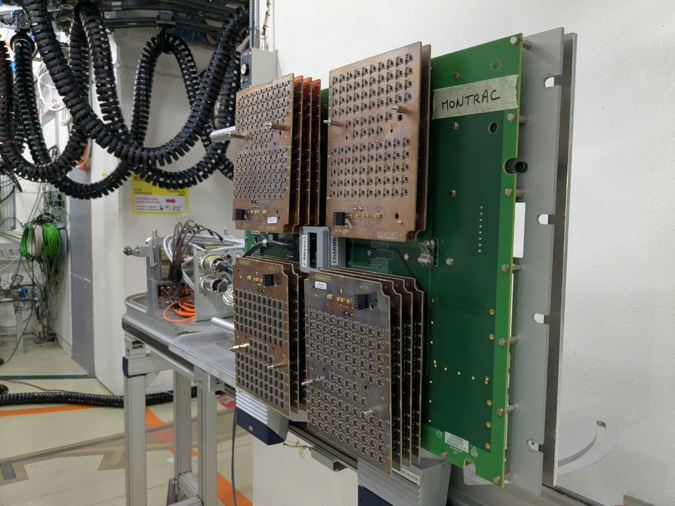
• 1,600 samples tested simultaneously in a single week for very low cross-section assessment
The Game Changer:
This remarkable achievement was made possible thanks to the introduction of a new dedicated test position in CHARM, exclusively focused on component testing on the Montrac system. This strategic addition resulted in a +100% improvement in tests per campaign at CHARM, dramatically boosting service efficiency.
In addition, 8 successful PSI campaigns were conducted throughout the year, qualifying critical components for LS3 batch production. The UCS and DQQDL production qualifications from TE-MPE represent the most critical qualification efforts, continuing into 2026.
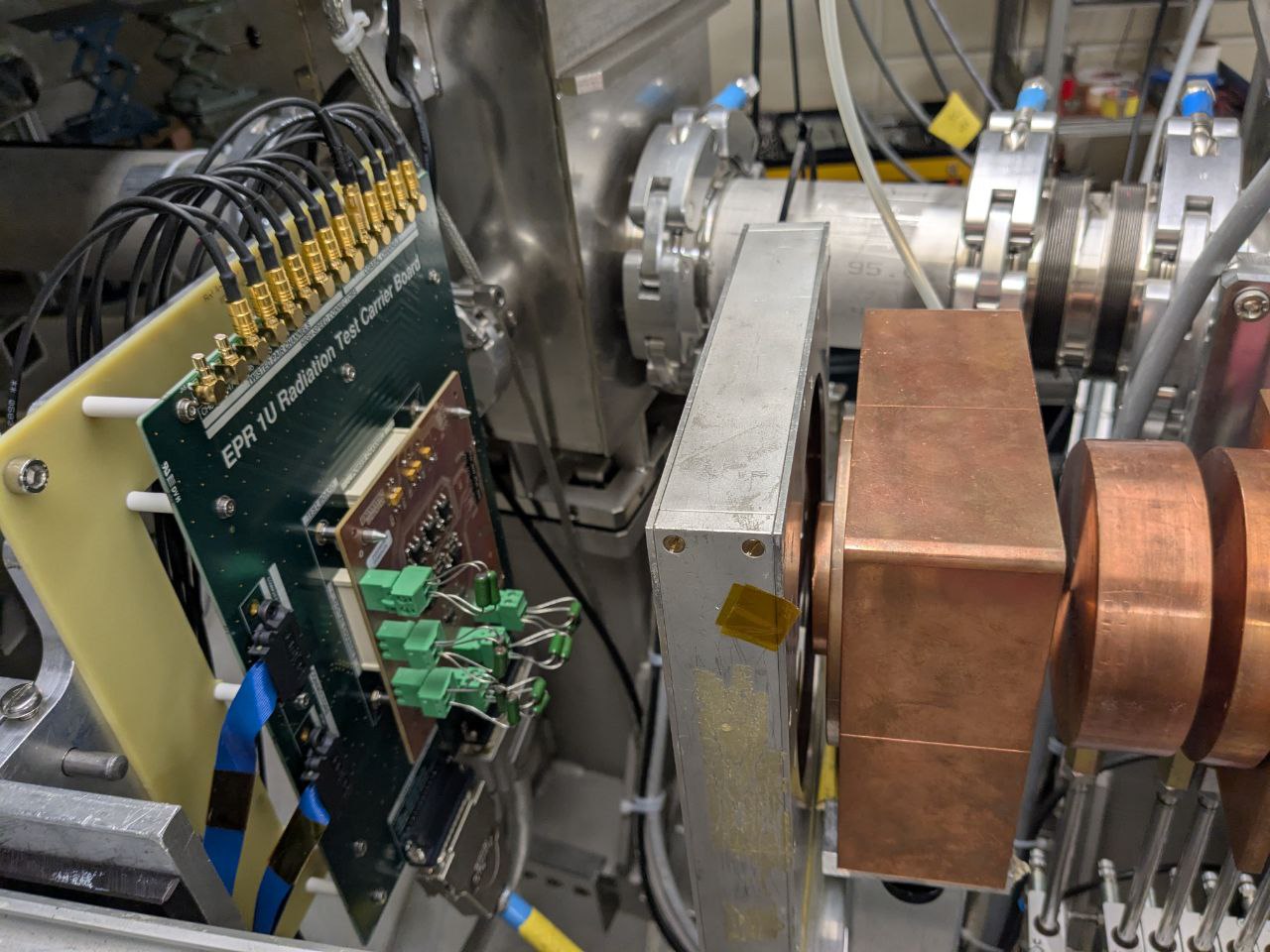
Preparation for the 2026 activities is already progressing at full speed. The qualification of the QPS and UCS systems will be at the core of this year’s programme, supported by six months of intensive radiation testing at the CHARM facility, complemented by nine additional radiation test campaigns at the PSI facility in Villigen.
Beyond system qualification, the EPR section will also take full responsibility for the procurement of production components, the control and follow-up of qualification batches, and the production of the majority of the systems. In this context, EPR will oversee the complete lifecycle of the QPS and UCS systems, from component selection and radiation qualification through to production and delivery.
The main challenge will be the execution of tests targeting the lowest destructive event cross-sections ever measured within the service, in order to verify the robustness of the QPS system, which represents the most demanding case in terms of radiation tolerance.